

What are the selection criteria for electric butterfly valves and pneumatic butterfly valves?
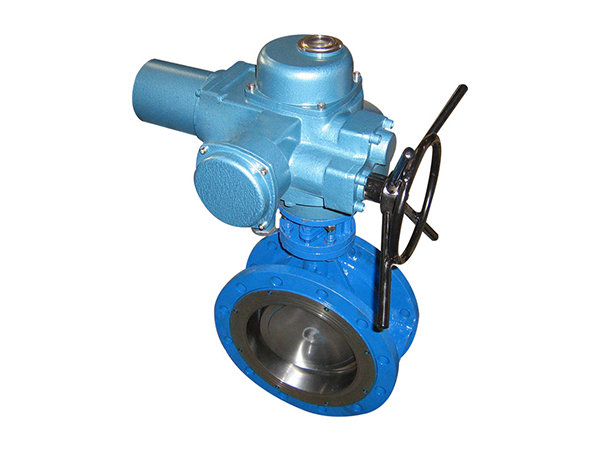
Advantages and Applications of Electric Butterfly Valves
Electric butterfly valves are very common devices for regulating pipeline flow. They have a wide range of applications and cover many fields, such as regulating water flow in reservoir dams in hydropower plants, and regulating industrial fluids in factories. Below, we will introduce the characteristics, advantages, and usage of electric butterfly valves in detail.
1. Excellent Sealing
The sealing performance is very important when choosing a valve. Since electric butterfly valves are used to regulate fluid flow, they are exposed to high temperatures and high pressures during operation. If the sealing performance is poor, it will lead to fluid leakage and prevent accurate flow regulation. Electric butterfly valves have a special sealing system, so they have excellent sealing performance within a wide temperature range, that is, the sealing performance of electric butterfly valves is not affected by temperature. Moreover, the operation of the electric regulating valve is very convenient.
2. Zero Leakage
What is commendable about electric butterfly valves is their sealing performance. The sealing of the valve stem shaft diameter is achieved by a very sealed sealing ring. This sealing ring is made of graphite and does not get stuck with the butterfly plate of the electric butterfly valve. Therefore, the sealing performance is very good and there is zero leakage, ensuring fire safety. Electric butterfly valves are the preferred choice for many customers.
3. Convenient Adjustment and Control
Electric butterfly valves are devices for controlling fluid flow. Besides transporting and regulating fluids, they can also transport substances with certain viscosity, such as slurry. Moreover, there is less liquid accumulation in the pipeline, and the opening and closing of the electric butterfly valve are quick and simple.
There are many types of valves used in industry, but it still requires effort to purchase a truly satisfactory valve. Electric butterfly valves have a wide range of applications, strong operability, and excellent sealing performance. They are one of the most commonly used types of industrial electric valves.
Advantages and Applications of Pneumatic Butterfly Valves
Pneumatic butterfly valves are composed of a pneumatic actuator and a butterfly valve. Pneumatic butterfly valves use a circular butterfly plate that rotates with the valve stem to achieve opening and closing actions, serving as a shut-off valve. They can also be designed with regulating or segment valve and regulating functions. Butterfly valves are increasingly used in low-pressure, medium and large-diameter pipelines. Pneumatic butterfly valves are classified as: stainless steel pneumatic butterfly valves, hard-sealed pneumatic butterfly valves, soft-sealed pneumatic butterfly valves, and carbon steel pneumatic butterfly valves. The main advantages of pneumatic butterfly valves are simple structure, small size, light weight, low cost, and the characteristics of this feature are particularly prominent. When installed in high-altitude underground tunnels, it is convenient to operate with the control of a two-position five-way electromagnetic valve. It can also adjust the flow medium.
The powder material system of pneumatic butterfly valves, as well as other factors to be considered, such as: the material should not be directly pushed onto the valve plate when being transferred from the top to the trolley (this impact force will also prevent the valve from closing tightly), and the static pressure of the material should not exceed the design pressure of the pneumatic butterfly valve, etc.